

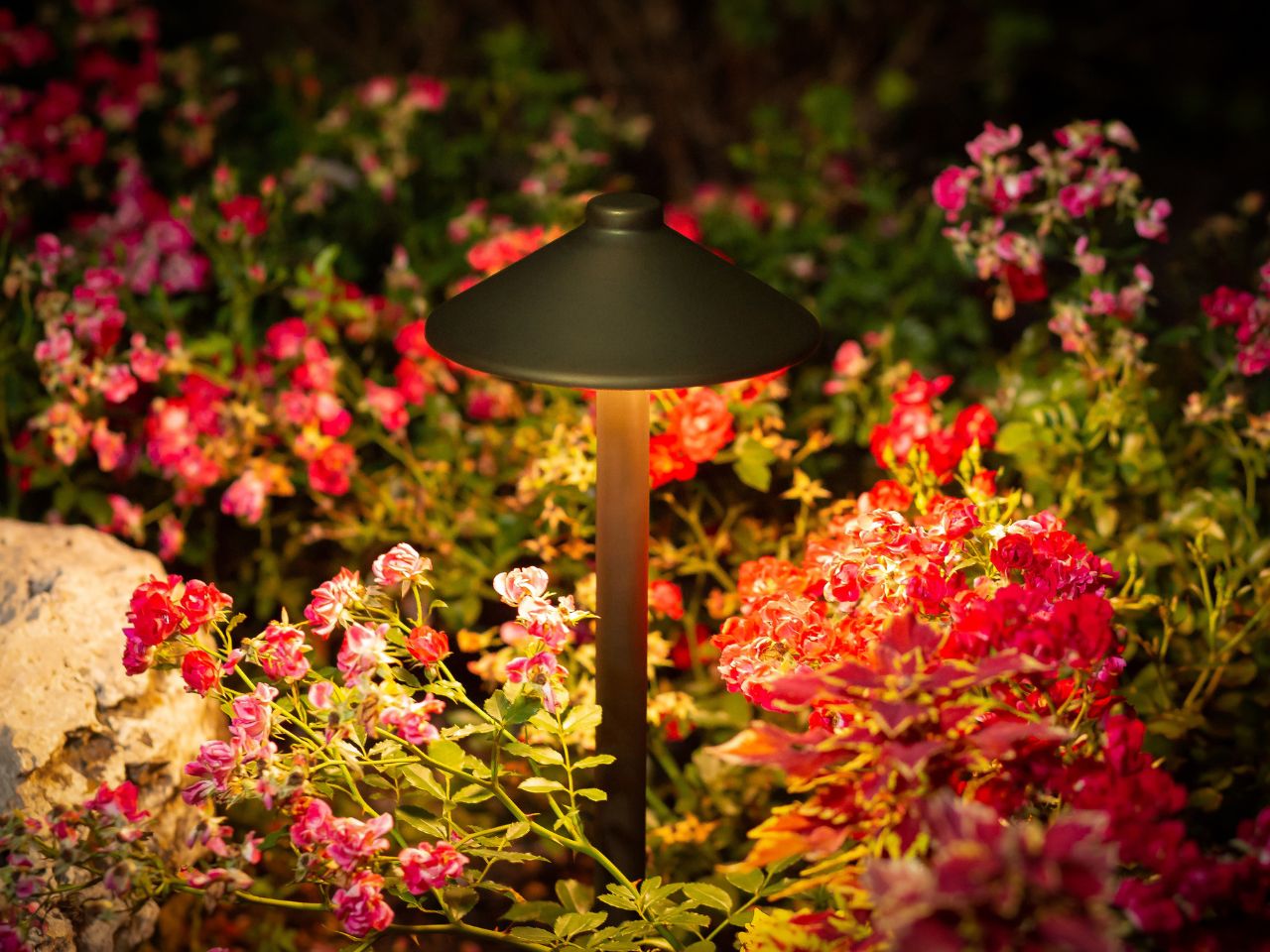
Light Your Cumming Hillside Backyard Without the Harsh Glare
Steep backyards in Cumming can be both beautiful and frustrating. The hill gives you a wide view, but at night it often turns into a dark, risky slope or a yard blasted by harsh floodlights. Good outdoor lighting can turn that steep grade into a calm, welcoming space that feels safe to walk and easy on the eyes.
Hillsides and slope lots come with special lighting problems. Light can shine right into neighbors’ windows, steps can vanish into deep shadows, and bright fixtures can cause glare that makes it harder, not easier, to see. The trick is to light the space so you can move with confidence, enjoy the view, and keep light where it belongs.
At Outdoor Lighting Perspectives of Atlanta, we work on properties across Cumming, North Fulton, and Forsyth County, so we understand local terrain, vegetation, and neighborhood layouts. In this article, we will share how thoughtful design can manage glare, shadowing, and light spill for landscape lighting for slopes in Cumming, GA, so your hillside feels comfortable and inviting on any evening.
Why Sloped Backyards Need a Different Lighting Strategy
Flat yards and steep yards do not behave the same once the sun goes down. On a slope, fixture heights change fast. A light that sits below your feet on an upper terrace may be at direct eye level for someone standing on the lower patio. Beams often travel farther, skimming across the hill and shining into places you never planned to light.
On a hillside, safety is the first priority. Key areas that usually need focused attention include:
- Stairs between levels
- Terraced planting beds and stone walls
- Retaining walls that mark drop-offs
- Curving paths that follow the grade
When these areas are not clearly lit, guests can easily miss a step or misjudge an edge. This is especially true when people are moving from a bright kitchen or porch down to a dim lower lawn, pool, or fire pit.
There is also the look of the yard to think about. On a slope, it is easy to get bright hot spots near fixtures, while trees, boulders, or water features fade into darkness. Many Cumming homes sit on clay soils with tiered decks, walkways, and views over woods or water. Careful, directional lighting lets you enjoy those views without flattening everything into one big wall of light.
Tackling Glare on Steep Grades Without Losing Visibility
Glare happens when light hits your eyes directly or bounces off a surface with too much intensity. On a hillside, this often shows up when fixtures sit below or at eye level along a downward slope. Instead of helping, that brightness makes it harder to see steps, faces, and surface changes.
To reduce glare while keeping great visibility, we focus on both fixtures and aiming:
- Use shields, louvers, and glare guards on uplights and step lights
- Place fixtures so the light source is hidden behind shrubs, walls, or stonework
- Aim beams across the slope rather than straight up or down
We often recommend lower-lumen, warmer LED light that feels soft and calm instead of sharp and clinical. Instead of blasting one very bright fixture, it usually works better to spread light with several gentle sources. This creates even light for walking while keeping the overall scene relaxed.
On hillside stairs, sloped driveways, or the path from an upper deck to a lower patio, the goal is to light the surface, not your guests’ eyes. For example, a step light tucked into the side of a riser, or a small downlight in a nearby post, can brighten each tread so people can move with ease, without a beam shining straight at them on approach.
Balancing Shadows for Safer, More Beautiful Hillside Views
Steep terrain naturally casts strong shadows. Stone edges, thick shrubs, and grade changes can all hide in darkness, which makes outdoor areas look uneven and unsafe. When the sun sets later and people linger outside, those deep shadows can feel even more confusing.
We like to build layers of light so the eye reads the whole hill clearly. A layered plan might use:
- Gentle path lights to outline routes and edges
- Low-profile wall lights on retaining walls or seat walls
- Uplights on key trees or large shrubs to show height and shape
By mixing these layers, we keep the three-dimensional feel of the yard while still showing where to walk and where slopes or steps begin. One helpful method is cross-lighting, which means lighting the same area from more than one direction. For example, stairs might get soft light from one side, while a nearby tree or boulder is lit from the other side. This softens harsh shadows behind objects and keeps important details from disappearing.
Terraced gardens, multi-level decks, and hillside seating areas all benefit from this approach. Each level should feel intentional and connected, not like a random dark ledge. When lighting is balanced, you can stand on the main floor of the home and see the full hillside as one clear, inviting scene.
Controlling Light Spill to Protect Views and Neighbor Privacy
Light spill, or light trespass, is what happens when outdoor lighting shines beyond the area you meant to light. On a hillside, this can mean beams shooting into neighbors’ windows, washing over tree canopies, or reflecting off the water surface in a way that breaks the calm of the night.
To keep light under control, fixture choice and placement matter a lot, especially for landscape lighting for slopes in Cumming, GA. Helpful tactics include:
- Tight, focused beam spreads rather than wide floods
- Downlighting from trees, pergolas, or rooflines so light goes where people are
- Shields or caps that block light from crossing property lines
dark-sky-friendly choices are good for the neighborhood and for your own view of the night. Warmer color temperatures, lower mounting heights on slopes, and smart controls or timers can all reduce glare and extra brightness when no one is outside. In areas near Lake Lanier, wooded cul-de-sacs, or quiet side streets, thoughtful lighting protects both neighbor comfort and the natural feel of the area.
When done right, your home looks warm and welcoming from the street, your paths are clear, and your patios feel secure, without your lights spilling into someone else’s bedroom or taking over the night sky.
Professional Design for Steep Slopes That Shine All Year
Hillside lighting is not just about picking good fixtures. It is about reading the grade, the soil, and how the property changes with rain, growth, and seasons. A professional design starts with walking the yard, noting where water flows, where clay soils are exposed, and how trees and shrubs might grow and block light over time.
At Outdoor Lighting Perspectives of Atlanta, we create custom lighting plans for steep yards that take all of this into account. A nighttime demo or walkthrough can be especially helpful on a slope. It lets you see how light falls on steps, seating areas, and trees in real time so aiming, brightness, and glare control can be adjusted before the design is finalized.
Ongoing care keeps the system working the way it should. Seasonal checkups, occasional fixture repositioning as plants grow, cleaning lenses, and updating timers as days change in length all help your hillside stay safe and attractive all year. With the right plan and steady attention, even the steepest Cumming backyard can feel like a smooth, welcoming extension of your home after dark.
Get Started With Your Project Today
If you are ready to highlight the beauty and safety of your sloped yard, our team at Outdoor Lighting Perspectives of Atlanta is here to help. Explore how our custom-designed landscape lighting for slopes in Cumming, GA can transform steep grades, terraces, and pathways into inviting nighttime spaces. To discuss your ideas, schedule a design consultation, or request a quote, simply contact us and we will guide you through every step.